
Tax update: Doing up a property? – Are you trading?
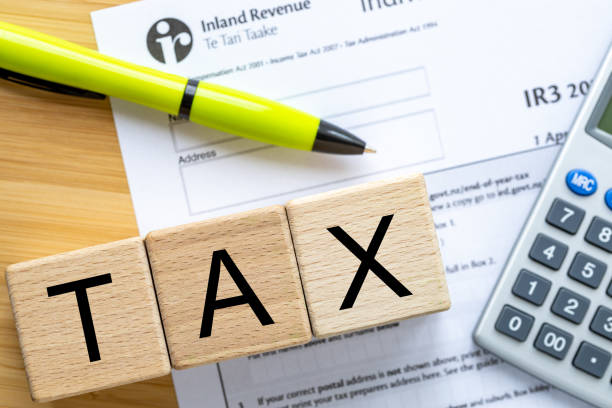
Taking on a renovation project can be hugely appealing, particularly if the property is subsequently sold at a profit. However, from a tax perspective, it may not always be clear-cut how any ‘profit’ should be taxed – is it a capital gain liable to capital gains tax or a trading profit liable to income tax?
Investment v trading
If a gain is made on the disposal of a residential investment property, that gain is liable to capital gains tax. After allowing for any available exempt amount and allowable losses, the gain is taxed at 18% where income and gains for the tax year do not exceed the basic rate band of £37,700 and at 28% where income and gains exceed the basic rate band. Gains on residential property must be reported to HMRC within 60 days and the associated tax paid within the same time frame.
By contrast, if a property developer is trading and makes a trading profit, the gain is liable to income tax rather than to capital gains tax. At 20%, 40% and 45%, the income tax rates are higher than those applying for capital gains tax purposes.
Where the property is owned by a company the gain/profit is taxed at the relevant corporation tax rate, so the distinction is less of an issue.
Importance of intention
The intention of the owner at the outset is crucial in determining whether there is an investment or a trade. For example, if a person buys a property with the intention of doing it up quickly to sell on at a profit, using the proceeds to buy another renovation project to do up and sell on at a profit, this has the hallmarks of trading. The profit on sale would be a trading profit and would be liable for income tax.
By contrast, if a person buys a property to do up and then rent out, or to use as a holiday home, the intention is to hold the property as an investment. If the property is eventually sold at a gain, the gain would be liable to capital gains tax rather than income tax.
It is important to recognise that circumstances may change, and it is here where the original intention can be particularly important. For example, if a person buys a property with a view to doing it up and letting it out for the foreseeable future, the intention at the outset is for that property to be an investment property. If, due a change in personal circumstances, the property is sold after a relatively short time realising a gain, the character of the property does not change – it remains an investment property and the gain is liable for capital gains tax not income tax.
Also please do remember when intentions change there may be an argument that the classification for accounting purposes needs to change ie if a property was held as stock but client decides to retain it. However this doesnt have to be the case.
Always ensure you understand the tax impact of reclassifying assets from say Stock to FAs or FAs to Stock. This can trigger dry tax charges and we must be confident this is the correct thing to do.
The tax team have recently covered off some advisory projects around the issue of “appropriations” and tax charges resulting from such accounting adjustments as some firms of accountants make such accounting entries without realising they are giving their clients significant tax bills with no cash to cover them!
if your ever in doubt speak with the tax team before further advising the personal or corporate clients on;
Changes of intentions
Unclear intentions
Prior period adjustments
Reclassification of assets
Appropriations
Elections to defer tax (not always possible!)